

Introduction
Starting a new business is an exciting journey, but it also comes with challenges that require careful planning and smart decision-making. Every successful company begins with an idea, yet only those that are managed effectively grow into profitable businesses. For new entrepreneurs, understanding the fundamentals of launching and managing a startup is essential. From identifying the right market to building a strong brand and attracting customers, every step plays a crucial role in determining long-term success.
Many startups fail because of poor planning, lack of market research, or ineffective financial management. However, these challenges can be avoided by following proven business strategies and continuously improving your knowledge. Whether you are planning to launch an online business, a local company, or a technology startup, the right approach can increase your chances of success. This guide shares practical startup business tips, explains why they are important, highlights common mistakes, and provides expert advice to help beginners build a strong and sustainable business.
What Are Startup Business Tips?
Startup business tips are practical strategies and recommendations that help entrepreneurs successfully launch, manage, and grow a new business. These tips cover important areas such as business planning, financial management, marketing, customer service, branding, and long-term growth. They are designed to reduce risks and help business owners make informed decisions during every stage of their entrepreneurial journey.
Following proven startup tips allows entrepreneurs to avoid common mistakes and build a solid foundation for their businesses. Whether your startup is service-based, product-focused, or completely online, applying the right strategies can improve efficiency, increase customer satisfaction, and support sustainable business growth.
Why Are Startup Business Tips Important?
Starting a business without proper planning often leads to unnecessary challenges and financial losses. Startup business tips provide entrepreneurs with a structured approach to building a company, helping them make smarter decisions and manage resources effectively. They also encourage business owners to focus on customer needs, market research, and long-term sustainability instead of short-term success.
These tips are especially valuable for beginners because they reduce uncertainty and improve confidence. By learning from proven business practices, entrepreneurs can avoid costly mistakes, strengthen their brand, and increase their chances of building a profitable business that continues to grow in a competitive market.
Step-by-Step Guide to Starting a Successful Startup
Step 1: Choose a Valuable Business Idea
Identify a problem that people need solved and develop a product or service that offers a practical solution. The best startups are built around customer needs rather than personal assumptions.
Step 2: Research Your Market
Study your competitors, understand your target audience, and evaluate industry trends. Thorough research helps you identify opportunities and develop strategies that make your startup stand out.
Step 3: Create a Business Plan
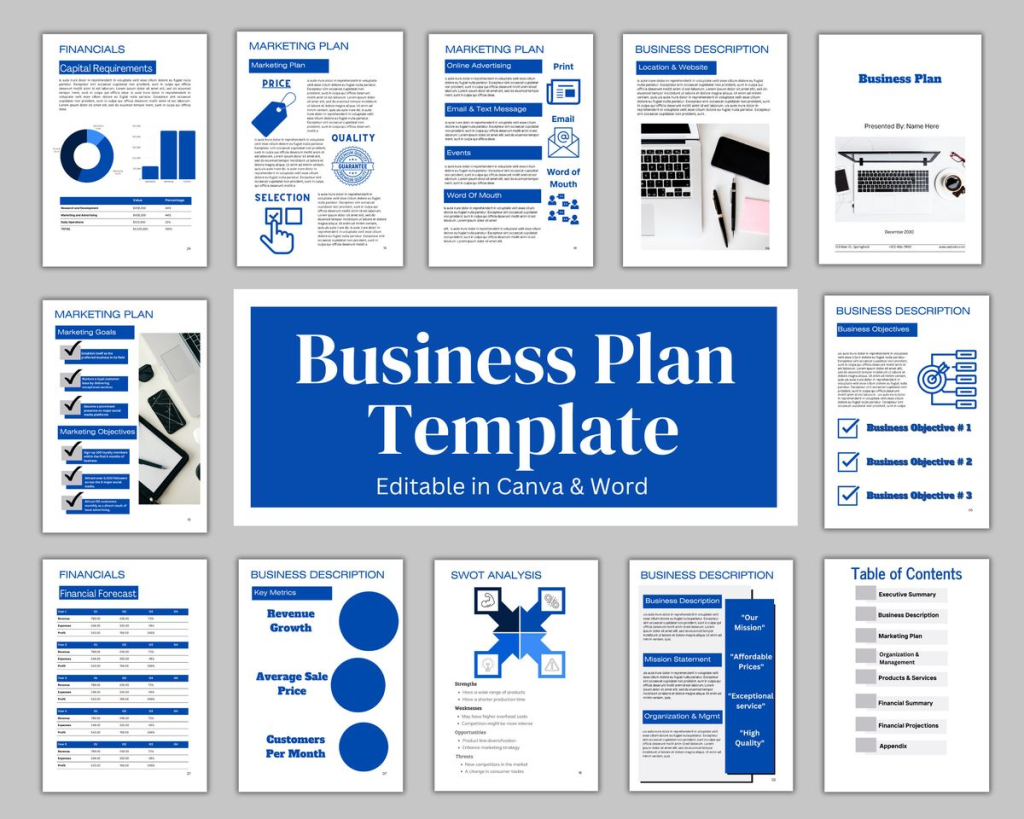
Prepare a detailed business plan that includes your goals, target customers, pricing strategy, marketing plan, financial estimates, and growth objectives. A clear roadmap keeps your business organized and focused.
Step 4: Build Your Brand
Choose a memorable business name, design a professional logo, and create a strong online presence through a website and social media profiles. A trusted brand attracts more customers and builds long-term credibility.
Step 5: Manage Your Finances Wisely
Create a realistic budget, monitor expenses, and separate business finances from personal finances. Careful financial management helps maintain business stability and supports future growth.
Step 6: Focus on Marketing
Promote your startup using search engine optimization, content marketing, social media, email marketing, and networking. Consistent marketing helps increase visibility and attract potential customers.
Step 7: Listen to Customer Feedback
Collect reviews, analyze customer suggestions, and improve your products or services based on real experiences. Businesses that adapt to customer needs often achieve stronger long-term success.
Benefits of Following Startup Business Tips
- Reduces the risk of business failure.
- Improves planning and decision-making.
- Helps manage finances more effectively.
- Strengthens customer relationships.
- Increases brand credibility.
- Supports long-term business growth.
- Improves marketing performance.
- Encourages continuous learning.
- Builds confidence for new entrepreneurs.
- Creates a strong business foundation.
Disadvantages and Risks
- Business success requires time and patience.
- Market competition can be challenging.
- Unexpected expenses may occur.
- Customer acquisition often takes time.
- Business owners must continuously learn new skills.
- Economic changes can affect demand.
- Poor planning may slow business growth.
- High workloads are common during the early stages.
Common Mistakes to Avoid
Many entrepreneurs launch a business without validating their idea or understanding their target audience. This often results in creating products or services that customers do not need. Conducting proper market research before investing time and money can significantly improve your chances of success.
Another common mistake is ignoring branding, customer service, and marketing. Even excellent products require effective promotion to reach potential buyers. Entrepreneurs should also avoid overspending during the early stages, neglecting financial planning, and expecting immediate profits. Building a successful startup requires patience, consistency, and continuous improvement.
Frequently Asked Questions
1. What is the first step in starting a startup?
The first step is identifying a valuable business idea that solves a real problem and has strong market demand. Conducting market research before launching is equally important.
2. Do I need a business plan?
Yes. A business plan provides direction, helps manage finances, defines business goals, and improves decision-making throughout the startup journey.
3. How much money is required to start a startup?
The required investment depends on the business model. Many online startups can begin with a relatively small budget, while product-based businesses may require additional capital.
4. How can I attract my first customers?
Create a professional online presence, use SEO, publish valuable content, engage on social media, ask for referrals, and provide excellent customer service to encourage positive recommendations.
5. Why do many startups fail?
Common reasons include poor market research, weak financial management, ineffective marketing, lack of customer demand, and failure to adapt to changing market conditions.
6. How can I grow my startup faster?
Focus on customer satisfaction, improve your products continuously, invest in digital marketing, monitor business performance, and reinvest profits to support sustainable growth.
Expert Tips and Bonus Points
Always focus on solving customer problems instead of simply selling products or services. Businesses that consistently provide value are more likely to build loyal customers and long-term success. Continue learning about marketing, leadership, finance, and technology to remain competitive in your industry.
Set realistic goals and measure your progress regularly using key performance indicators. Build strong professional relationships, stay open to feedback, and remain flexible when market conditions change. Small improvements made consistently can lead to significant business growth over time.
Conclusion
Launching a startup is both challenging and rewarding. While every entrepreneur faces obstacles, following proven startup business tips can reduce risks and improve your chances of building a successful company. Careful planning, strong financial management, effective marketing, and exceptional customer service form the foundation of every thriving startup. By focusing on long-term value instead of short-term results, entrepreneurs can create businesses that continue to grow and adapt in competitive markets.
Success does not depend on luck alone. It comes from making informed decisions, learning from experience, and staying committed to continuous improvement. Choose a business idea that aligns with your strengths, understand your customers, and invest time in developing the skills needed to lead your business effectively. With patience, determination, and the right strategies, your startup can become a profitable and sustainable venture for years to come.