

Introduction
Starting a business has become more accessible than ever before. Thanks to technology, online platforms, and changing consumer needs, people can launch successful ventures with limited investment. Whether you want to earn extra income, become financially independent, or turn your passion into a career, choosing the right small business idea is the first and most important step.
Small business ideas continue to attract students, professionals, homemakers, and retirees because they offer flexibility and growth opportunities. Many successful companies started as small businesses with simple concepts and gradually expanded into well-known brands. The key is selecting an idea that matches your skills, interests, and market demand.
Another advantage of starting small is the ability to learn without taking significant financial risks. You can test your products or services, improve based on customer feedback, and grow steadily over time. This approach allows entrepreneurs to gain valuable experience while building a loyal customer base.
This guide explores the best small business ideas, explains why they are important, and provides practical steps for starting a profitable business. You will also discover common mistakes to avoid, frequently asked questions, and expert tips that can help you build a sustainable business with confidence.
What Is Small Business Ideas?
Small business ideas are practical business concepts that require relatively low investment and can be started by individuals or small teams. These ideas focus on solving customer problems while generating income for the business owner.
A small business may operate from home, a physical store, or entirely online. Examples include freelance services, online stores, digital marketing agencies, food businesses, tutoring services, photography, cleaning services, and handmade product shops.
The best small business ideas usually share several characteristics:
- Low startup costs
- High customer demand
- Easy scalability
- Manageable operational expenses
- Potential for long-term growth
Choosing the right idea depends on your experience, available budget, local market, and personal interests. Successful entrepreneurs often begin with a simple idea and improve it through continuous learning and customer feedback.
Why Is Small Business Important?
Small businesses contribute significantly to economic development. They create employment opportunities, encourage innovation, and strengthen local communities. In many countries, small businesses make up a large percentage of all registered companies.
They also provide flexibility for business owners. Instead of relying on a single employer, entrepreneurs can create multiple income streams while building valuable assets for the future.
Benefits of starting a small business include financial independence, flexible working hours, personal satisfaction, and unlimited growth potential. Unlike traditional employment, business owners have the opportunity to increase earnings by expanding their customer base and improving their services.
Many successful entrepreneurs started with limited resources. Their commitment, consistent effort, and willingness to adapt allowed them to transform small ventures into thriving businesses.
Detailed Step-by-Step Guide
Step 1: Identify Your Skills and Interests
The best business ideas often come from personal strengths. Consider your education, hobbies, work experience, and talents. Starting a business in a field you enjoy increases motivation and long-term commitment.
Make a list of activities you perform well and identify problems you can solve for customers. This process helps narrow your options and select a business idea that matches your abilities.
Step 2: Research Market Demand
Before investing money, study your target market carefully. Identify potential customers, analyze competitors, and understand current industry trends.
Look for gaps in the market where customers are not receiving satisfactory products or services. Meeting these unmet needs increases your chances of success.
Step 3: Choose a Profitable Business Idea
Select an idea that balances your passion with market demand.
Popular small business ideas include:
- Freelance writing
- Graphic design
- Digital marketing services
- Online tutoring
- Home bakery
- Dropshipping
- Handmade crafts
- Cleaning services
- Photography
- Social media management
- Virtual assistance
- Pet care services
- Event planning
- Mobile car washing
- Fitness coaching
Each option offers different investment requirements and income potential.
Step 4: Create a Business Plan
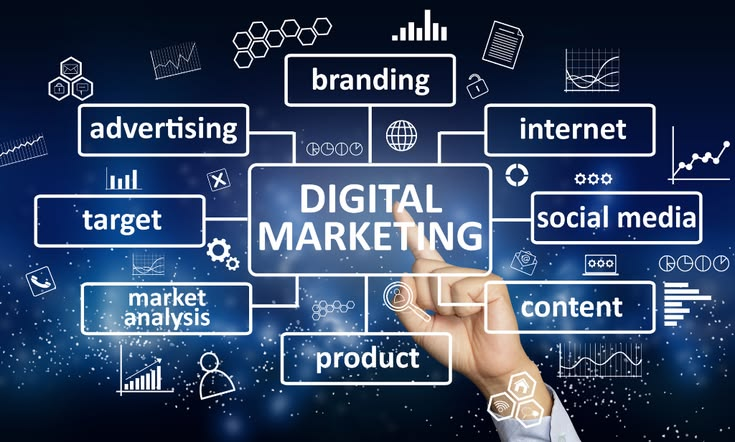
A business plan serves as the roadmap for your business. It helps you stay organized, define your goals, and make informed decisions. Even a simple business plan can improve your chances of success by providing clear direction.
Your business plan should include:
- Business name and description
- Target audience
- Products or services
- Pricing strategy
- Marketing plan
- Startup budget
- Expected monthly expenses
- Revenue goals
- Growth strategy
Review your plan regularly and update it as your business grows.
Step 5: Calculate Your Startup Budget
Every business requires some level of investment. Calculate all expected costs before launching.
Common startup expenses include:
- Business registration
- Equipment and tools
- Website development
- Marketing and advertising
- Inventory
- Packaging
- Transportation
- Software subscriptions
Avoid spending money on unnecessary items during the early stages. Focus only on expenses that directly help you generate sales.
Step 6: Register Your Business
Depending on your location, you may need to register your business, obtain licenses, or apply for permits.
Proper registration increases customer trust and allows you to operate legally. It also makes it easier to open a business bank account and apply for financing if needed.
Keep accurate financial records from the beginning to simplify tax reporting and business management.
Step 7: Build Your Brand
A strong brand helps customers remember your business and builds credibility.
Your brand should include:
- A memorable business name
- A professional logo
- Consistent colors
- A clear message
- High-quality customer service
Customers often choose businesses they recognize and trust, making branding an important investment.
Step 8: Create an Online Presence
Modern businesses need an online presence to reach more customers.
Consider creating:
- A professional website
- Business profiles on social media
- An online store if selling products
- A Google Business Profile for local visibility
Share useful content, customer testimonials, product updates, and special offers regularly to keep your audience engaged.
Step 9: Promote Your Business
Marketing is essential for attracting customers.
Effective marketing strategies include:
- Content marketing
- Social media marketing
- Email marketing
- Referral programs
- Local networking
- Business partnerships
- Paid advertising
- Promotional discounts
Track your marketing results and invest more in strategies that generate the highest return.
Step 10: Focus on Customer Satisfaction
Satisfied customers become repeat buyers and recommend your business to others.
Provide excellent service by:
- Responding quickly
- Delivering quality products
- Solving customer problems professionally
- Asking for feedback
- Continuously improving your services
Positive customer experiences build a strong reputation and encourage long-term business growth.
Benefits of Small Business Ideas
Starting a small business offers many advantages, including:
- Low startup investment
- Greater financial independence
- Flexible working hours
- Unlimited income potential
- Opportunity to follow your passion
- Better work-life balance
- Personal and professional growth
- Ability to create jobs
- Freedom to make business decisions
- Long-term wealth-building opportunities
These benefits make entrepreneurship an attractive option for people seeking greater control over their careers and finances.
Disadvantages and Risks
Although rewarding, small businesses also involve challenges.
Some common risks include:
- Financial uncertainty
- Strong market competition
- Irregular income during the early stages
- Long working hours
- Marketing challenges
- Customer acquisition difficulties
- Economic downturns
- Business management responsibilities
- Cash flow problems
- Risk of business failure
Understanding these risks helps entrepreneurs prepare effective solutions before problems arise.
Common Mistakes to Avoid
Many new entrepreneurs make avoidable mistakes that slow business growth.
Some of the most common include:
- Starting without proper market research
- Ignoring customer feedback
- Spending too much money initially
- Poor financial management
- Setting unrealistic expectations
- Weak marketing strategies
- Inconsistent customer service
- Failing to track business performance
- Giving up too early
- Trying to serve everyone instead of a specific target audience
Learning from these mistakes can significantly increase your chances of building a successful and sustainable business.
FAQs
1. What are the best small business ideas for beginners?
The best small business ideas for beginners include freelance writing, graphic design, online tutoring, virtual assistance, social media management, home baking, dropshipping, handmade crafts, pet care, and digital marketing services. These businesses usually require low investment and can be started from home with basic skills and dedication.
2. How much money do I need to start a small business?
The required investment depends on the type of business you choose. Some online businesses can be started with less than a few hundred dollars, while product-based businesses may require a larger budget for inventory, equipment, and marketing. Start with a realistic budget and expand as your revenue grows.
3. Can I start a small business while working a full-time job?
Yes. Many successful entrepreneurs begin their businesses as side projects while maintaining full-time employment. This approach provides financial stability while allowing you to test your business idea before making it your primary source of income.
4. Which small business ideas are most profitable?
Some of the most profitable small business ideas include digital marketing agencies, software services, online education, consulting, e-commerce stores, web design, photography, accounting services, and home renovation businesses. Profitability depends on market demand, pricing strategy, and effective business management.
5. How long does it take for a small business to become profitable?
Every business grows at a different pace. Some businesses generate profits within a few months, while others may take one or two years. Consistent marketing, quality customer service, and careful financial planning can help shorten the path to profitability.
6. How can I attract my first customers?
Start by promoting your business through social media, local networking, referrals, and online communities. Offer excellent customer service, encourage satisfied customers to leave reviews, and provide introductory discounts or special offers to attract new clients.
Expert Tips & Bonus Points
Building a successful small business requires patience, consistency, and continuous learning. These expert tips can help you grow faster and avoid unnecessary setbacks.
- Focus on solving real customer problems instead of simply selling products.
- Start small and expand gradually based on customer demand.
- Keep learning new business and marketing skills.
- Monitor your competitors without copying them.
- Build strong relationships with customers.
- Track your income and expenses every month.
- Reinvest part of your profits into business growth.
- Use technology and automation to save time.
- Stay consistent even when results are slow.
- Always deliver more value than customers expect.
Bonus Tips:
- Develop multiple income streams to reduce financial risk.
- Create a memorable brand identity that customers recognize.
- Collect customer testimonials to build trust.
- Set monthly and yearly business goals.
- Review your progress regularly and adjust your strategies when necessary.
Conclusion
Starting a business is one of the most rewarding decisions you can make when you have the right mindset, planning, and determination. The best small business ideas are not always the ones that require large investments. Instead, they are the ideas that solve real problems, provide value to customers, and can grow steadily over time.
Success rarely happens overnight. Every successful entrepreneur faces challenges, learns from mistakes, and continuously improves. By choosing the right business idea, researching your market, creating a solid business plan, and focusing on customer satisfaction, you can build a profitable business that supports your financial goals and personal ambitions.
Remember that consistency is more important than perfection. Take small steps every day, continue learning new skills, and adapt to changing market conditions. Even if your business starts small, it has the potential to grow into a successful and sustainable enterprise with dedication and smart decision-making.
Whether you want to earn additional income, become your own boss, or create a long-term career, these small business ideas provide an excellent starting point. Begin with confidence, stay committed to your vision, and keep improving your products, services, and customer experience. With patience, hard work, and persistence, your small business can become a valuable source of income and long-term success.