

Introduction
Managing your money effectively is one of the most important life skills you can develop. Good personal finance habits help you achieve financial stability, reduce stress, and prepare for future goals such as buying a home, starting a business, traveling, or enjoying a comfortable retirement. Regardless of your income level, making smart financial decisions can improve your quality of life and provide greater financial freedom over time.
Many people struggle with budgeting, saving, and controlling unnecessary spending because they lack a clear financial plan. Fortunately, improving your financial health does not require complicated strategies. By following practical personal finance tips, you can develop better money habits, avoid common financial mistakes, and create a secure future for yourself and your family. This guide explains what personal finance is, why it matters, provides a step-by-step approach to managing your finances, highlights the benefits and risks, answers common questions, and shares expert advice for long-term financial success.
What Are Personal Finance Tips?
Personal finance tips are practical strategies that help individuals manage their income, expenses, savings, investments, and financial goals more effectively. These tips focus on making informed decisions about spending, budgeting, debt management, and wealth building while maintaining financial stability throughout different stages of life.
Good personal finance involves more than simply earning money. It includes creating a realistic budget, saving consistently, building an emergency fund, investing wisely, avoiding unnecessary debt, and planning for future expenses. Developing these habits helps individuals make better financial decisions and achieve long-term financial security.
Why Are Personal Finance Tips Important?
Personal finance tips are important because they help people gain control over their money instead of allowing money problems to control their lives. Proper financial planning reduces the risk of debt, prepares you for unexpected expenses, and helps you achieve important life goals with greater confidence. Even small financial improvements made consistently can produce significant results over time.
Good money management also provides peace of mind and greater financial flexibility. Individuals who understand personal finance are better prepared to handle emergencies, make informed investment decisions, and avoid financial stress. Learning these skills early creates a strong foundation for lifelong financial success.
Step-by-Step Guide to Managing Personal Finances
Step 1: Create a Monthly Budget
Track your monthly income and expenses to understand where your money is going. Divide your spending into essential and non-essential categories, then create a realistic budget that allows you to save regularly while covering necessary expenses.
Step 2: Build an Emergency Fund
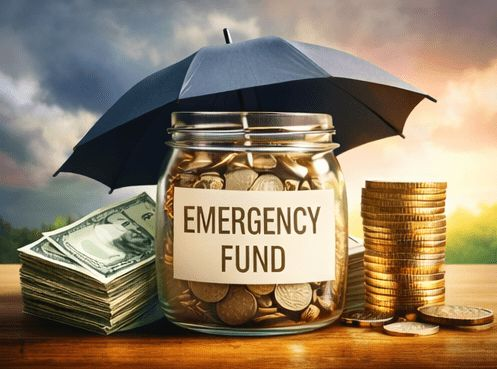
Set aside money for unexpected situations such as medical emergencies, job loss, or urgent home repairs. Having emergency savings reduces financial stress and prevents unnecessary borrowing during difficult times.
Step 3: Reduce Unnecessary Expenses
Review your spending habits and identify areas where you can cut costs. Small changes, such as reducing impulse purchases or canceling unused subscriptions, can significantly increase your monthly savings.
Step 4: Pay Off High-Interest Debt
Prioritize paying debts with the highest interest rates first. Reducing debt improves your financial health, lowers interest payments, and increases the amount of money available for saving and investing.
Step 5: Save and Invest Regularly
Develop the habit of saving a portion of every paycheck. Once you have established an emergency fund, consider investing according to your financial goals and risk tolerance to build long-term wealth.
Step 6: Set Financial Goals
Define short-term and long-term financial objectives such as buying a house, starting a business, paying for education, or planning retirement. Clear goals help you stay motivated and make better financial decisions.
Step 7: Review Your Finances Frequently
Monitor your financial progress every month. Evaluate your budget, savings, investments, and expenses regularly to identify areas for improvement and stay on track toward your financial goals.
Benefits of Personal Finance Tips
- Improves money management skills.
- Encourages consistent saving habits.
- Reduces financial stress.
- Helps eliminate unnecessary debt.
- Builds financial security for emergencies.
- Supports long-term wealth creation.
- Improves budgeting and spending decisions.
- Helps achieve financial goals faster.
- Increases confidence in financial planning.
- Promotes a more stable financial future.
Disadvantages and Risks
- Requires discipline and consistent effort.
- Lifestyle changes may feel challenging at first.
- Poor budgeting can delay financial progress.
- Unexpected expenses may affect savings plans.
- Investment decisions involve financial risk.
- Overspending can create long-term debt.
- Lack of financial knowledge may lead to poor decisions.
- Financial goals often require patience and commitment.
Common Mistakes to Avoid
One of the biggest financial mistakes is spending more than you earn. Living beyond your means often leads to debt and financial stress. Creating a realistic budget and tracking your expenses can help prevent unnecessary spending while improving financial stability.
Another common mistake is failing to save for emergencies or ignoring long-term financial planning. Many people also delay investing, rely too heavily on credit cards, or make emotional purchasing decisions. Developing consistent financial habits and reviewing your finances regularly can help you avoid these costly mistakes.
Frequently Asked Questions
1. What is personal finance?
Personal finance refers to the management of income, expenses, savings, investments, debt, and financial planning to achieve long-term financial stability and personal goals.
2. Why is budgeting important?
Budgeting helps you control spending, increase savings, avoid unnecessary debt, and ensure your income is used efficiently to meet your financial priorities.
3. How much should I save each month?
A common recommendation is to save at least 20 percent of your monthly income whenever possible. However, any consistent amount that fits your budget is beneficial.
4. Should I pay off debt before investing?
In many situations, paying off high-interest debt first is a smart decision because it reduces financial costs and improves overall financial health before investing larger amounts.
5. Why is an emergency fund necessary?
An emergency fund provides financial protection during unexpected situations such as medical expenses, job loss, or urgent repairs, reducing the need to borrow money.
6. How can I improve my financial habits?
Create a budget, save consistently, avoid unnecessary expenses, monitor your finances regularly, continue learning about money management, and set realistic financial goals.
Expert Tips and Bonus Points
Always pay yourself first by saving a portion of your income before spending on non-essential items. Automating your savings can help you remain consistent and reduce the temptation to spend money unnecessarily. Focus on needs before wants and review your financial goals regularly to stay motivated.
Continue improving your financial knowledge by reading books, following trusted financial resources, and learning basic investing principles. Maintain a healthy balance between saving, investing, and enjoying your income responsibly. Small financial improvements made consistently over many years can produce remarkable long-term results.
Conclusion
Good personal finance habits are the foundation of financial security and long-term success. By creating a realistic budget, controlling expenses, building an emergency fund, reducing debt, and saving consistently, you can take control of your financial future. These simple yet effective strategies help reduce financial stress while providing greater confidence in achieving both short-term and long-term goals.
Financial success is not determined by how much money you earn but by how wisely you manage it. Developing responsible money habits, staying committed to your financial plan, and making informed decisions can lead to lasting financial stability. Start applying these personal finance tips today, remain consistent with your efforts, and continue improving your financial knowledge to build a stronger, more secure future for yourself and your family.