

Introduction
Investing is one of the most effective ways to grow your wealth and achieve long-term financial goals. While saving money helps protect your financial future, investing allows your money to work for you by generating potential returns over time. Whether you want to build a retirement fund, purchase a home, pay for your children’s education, or achieve financial independence, smart investing plays a vital role in reaching these goals. The earlier you begin investing, the more time your investments have to grow through the power of compounding.
Many beginners avoid investing because they believe it is complicated or requires a large amount of money. In reality, anyone can start investing by learning the basics, setting realistic goals, and making informed decisions. Successful investing is not about getting rich quickly but about building wealth steadily through patience, discipline, and careful planning. This guide explains what smart investment tips are, why investing is important, provides a step-by-step investment guide, discusses the benefits and risks, highlights common mistakes, answers frequently asked questions, and shares expert advice for long-term financial success.
What Are Smart Investment Tips?
Smart investment tips are practical strategies that help individuals make informed investment decisions while managing financial risk. These tips focus on selecting suitable investment opportunities, diversifying assets, setting financial goals, and maintaining a long-term investment approach instead of chasing short-term profits.
Investments can include stocks, bonds, mutual funds, exchange-traded funds, real estate, retirement accounts, and other financial assets. Smart investing requires understanding your financial objectives, risk tolerance, and investment timeline before choosing where to invest your money.
Why Are Smart Investment Tips Important?
Smart investment tips help individuals avoid emotional decisions and reduce unnecessary financial risks. A structured investment strategy allows you to build wealth gradually while preparing for future financial needs such as retirement, education, or major purchases. Instead of letting your savings lose purchasing power over time, investing provides an opportunity for long-term financial growth.
Proper investment planning also encourages financial discipline. Investors who follow a clear strategy are more likely to remain focused during market fluctuations and avoid making impulsive decisions based on short-term market movements. Consistency and patience are often the key factors behind successful investing.
Step-by-Step Guide to Smart Investing
Step 1: Define Your Financial Goals
Identify why you want to invest. Your goals may include retirement planning, buying a house, funding education, building wealth, or creating passive income. Clear objectives help determine the most appropriate investment strategy.
Step 2: Understand Your Risk Tolerance
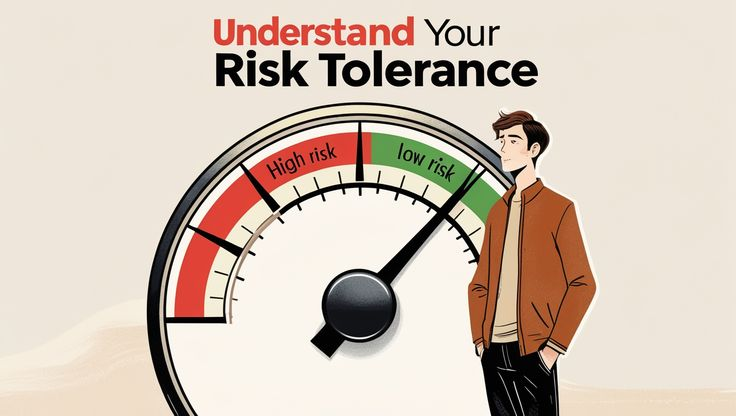
Evaluate how much investment risk you are comfortable taking. Some investments offer higher potential returns with greater risk, while others provide more stability with lower returns. Your risk tolerance should match your financial goals and investment timeline.
Step 3: Create an Emergency Fund
Before investing significant amounts, build an emergency fund that covers several months of essential living expenses. This financial cushion helps you avoid selling investments during unexpected emergencies.
Step 4: Diversify Your Investments
Avoid putting all your money into a single investment. Diversifying across different asset types and industries can reduce overall risk and improve long-term portfolio stability.
Step 5: Invest Consistently
Develop the habit of investing regularly instead of trying to predict market movements. Consistent investing allows you to benefit from long-term market growth while reducing the impact of short-term price fluctuations.
Step 6: Monitor Your Portfolio
Review your investments periodically to ensure they continue supporting your financial goals. Rebalance your portfolio when necessary while avoiding unnecessary trading based on temporary market changes.
Step 7: Continue Learning
Financial markets evolve over time. Stay informed by learning about investing principles, market trends, risk management, and personal finance so you can make better long-term decisions.
Benefits of Smart Investment Tips
- Supports long-term wealth creation.
- Helps achieve major financial goals.
- Allows money to grow over time.
- Encourages disciplined financial habits.
- Creates opportunities for passive income.
- Helps reduce the effects of inflation.
- Diversification lowers overall investment risk.
- Improves financial confidence.
- Builds retirement savings.
- Increases long-term financial security.
Disadvantages and Risks
- Investment values can fluctuate.
- No investment guarantees profits.
- Poor decisions may lead to financial losses.
- Market volatility can affect returns.
- Some investments require long-term commitment.
- Inflation and economic changes may impact performance.
- Emotional investing often reduces returns.
- Lack of research increases investment risk.
Common Mistakes to Avoid
One of the most common investing mistakes is trying to earn quick profits by following market hype or making emotional decisions. Successful investing usually requires patience and a long-term perspective rather than attempting to predict short-term market movements. Investors should focus on their financial goals instead of reacting to daily market fluctuations.
Another common mistake is failing to diversify investments. Putting all your money into a single company, industry, or asset significantly increases financial risk. Ignoring research, investing money needed for daily expenses, and making decisions without understanding the investment are additional mistakes that beginners should avoid.
Frequently Asked Questions
1. What is the best investment for beginners?
The best investment depends on your financial goals, time horizon, and risk tolerance. Many beginners start with diversified investment funds or other long-term investment options after conducting proper research.
2. How much money do I need to start investing?
Many investment platforms allow people to begin investing with relatively small amounts. The most important factor is investing consistently rather than waiting until you have a large sum of money.
3. Why is diversification important?
Diversification spreads your investments across different assets, reducing the impact of poor performance from any single investment and lowering overall portfolio risk.
4. Should I invest before paying off debt?
High-interest debt should often be prioritized while maintaining emergency savings. After managing expensive debt, you can gradually increase your investment contributions based on your financial plan.
5. How often should I review my investments?
Review your investment portfolio periodically, such as every six to twelve months, or whenever your financial goals or personal circumstances change significantly.
6. Can investing help beat inflation?
Over the long term, some investments have the potential to grow faster than inflation, helping preserve and increase the purchasing power of your money. However, returns are never guaranteed.
Expert Tips and Bonus Points
Invest with a long-term mindset and avoid making decisions based on fear or excitement during short-term market changes. Create an investment plan that matches your financial goals and continue contributing regularly regardless of temporary market conditions. Consistency often produces better long-term results than trying to time the market.
Continue improving your financial knowledge by reading books, following trusted financial resources, and learning about diversification, risk management, and asset allocation. Reinvest your earnings whenever appropriate and review your financial plan regularly to ensure your investments continue supporting your future goals.
Conclusion
Smart investing is one of the most effective ways to build long-term financial security and create lasting wealth. By setting clear financial goals, understanding your risk tolerance, diversifying your investments, and maintaining a disciplined investment strategy, you can improve your chances of achieving financial success over time. Investing requires patience, education, and consistent effort, but the long-term rewards can be significant.
Financial growth is not achieved through quick decisions or market speculation. Instead, it comes from making informed choices, staying committed to your investment plan, and continuously improving your financial knowledge. Start investing according to your personal goals, remain focused on long-term success, and practice responsible financial management. With consistency and smart decision-making, investing can become a powerful tool for building a secure and prosperous future.